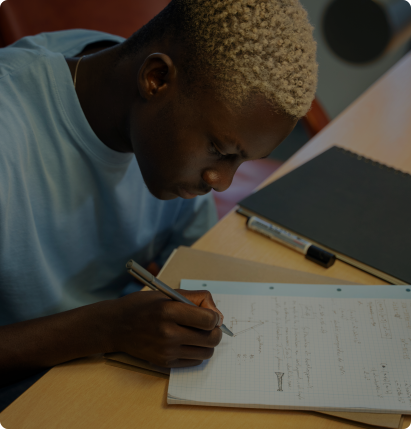
How AI is shaping the future of education in Africa
Education has always been most effective when it meets learners where they are. Every child learns differently, at a different pace, and with different strengths and challenges. Yet, traditional education systems are often designed around a one-size-fits-all approach, where an entire classroom is expected to learn the same thing, at the same pace, and in the same way.
The problem isn't that children cannot learn. It's that the support they receive doesn't always reflect what they need to learn effectively. AI is changing that.
A more personal way to learn
One of the most important principles in education is that learning becomes more effective when it is personalized. Bloom's work on mastery learning demonstrated the potential of individualized instruction and feedback to improve learning outcomes. With artificial intelligence, we now have an opportunity to take this principle further than ever before.
AI makes it possible to understand how individual students learn, identify where they struggle, and adapt learning experiences to their specific needs. Instead of every child following the same learning path, students can receive explanations, feedback, exercises, and guidance that respond to their individual progress.
For a child struggling with multiplication, this could mean getting additional practice and simpler explanations. For another who has already mastered it, it could mean moving on to more challenging concepts.
Learning becomes less about keeping up with the classroom and more about making meaningful progress.
Helping teachers reach more students
In many parts of Africa, the challenge goes beyond how children learn. There simply aren't enough teachers to give every child the attention they need.
Teacher shortages, overcrowded classrooms, and limited learning resources create a domino effect that can affect a child's entire educational journey. Teachers are often responsible for large numbers of students with different abilities and learning needs, making it difficult to provide individualized support to everyone.
AI offers an opportunity to change this dynamic. Rather than replacing teachers, AI can help them scale their impact. It can take on some of the repetitive aspects of instruction, provide students with additional opportunities to practice, and offer personalized guidance outside the limits of classroom time.
This means teachers can spend more time focusing on what matters most: guiding students, understanding their challenges, and creating meaningful learning experiences. Students, in turn, have access to support that doesn't end when the school bell rings.
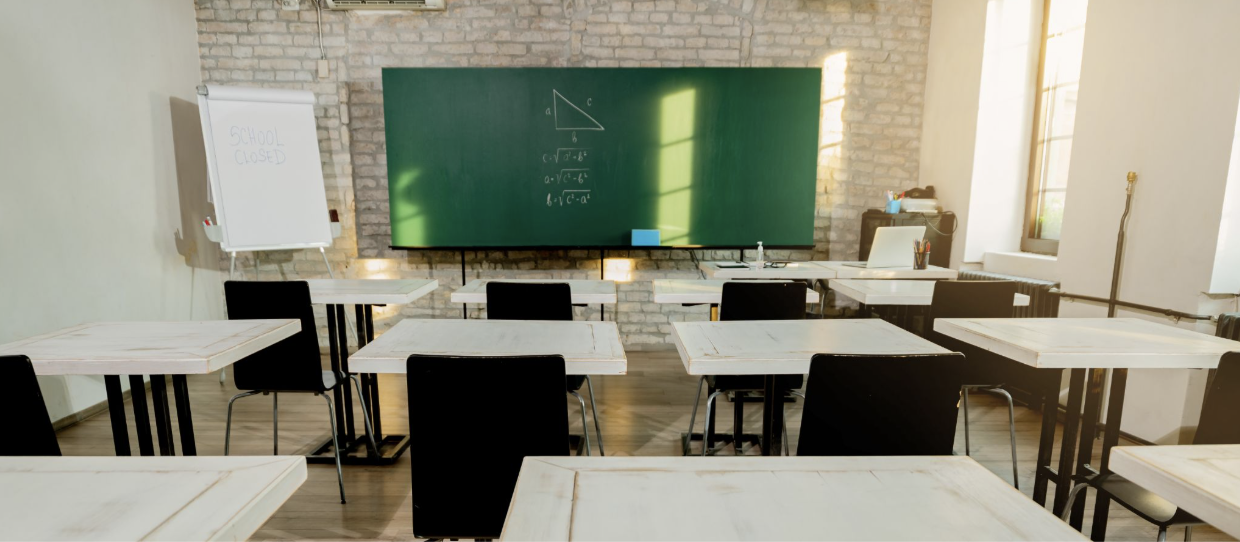
But not every AI solution is built for Africa
Many of the most advanced AI education solutions are built around assumptions that don't always hold true in African learning environments. They often require expensive infrastructure, reliable internet connectivity, and computing resources that many schools and families simply don't have access to.
If the future of education depends on technologies that are too expensive to deploy or require constant internet access, then the children who could benefit from them the most risk being left behind.
Smaller, purpose-built AI models offer a promising path forward. Models designed around specific learning tasks can be more affordable to run, require fewer computing resources, and even operate without a continuous internet connection.
Combined with localized learning content and an understanding of the contexts in which African children live and learn, these models can make personalized education more accessible and practical at scale.
The goal shouldn't be to replicate expensive global solutions, but to build something that works for the realities of our classrooms, schools, and communities.
The future is personalized, accessible, and intelligent
AI has the potential to fundamentally change how education works but realizing this potential requires more than adopting the latest technology. It requires building solutions that understand the learners they serve and the environments in which they learn.
At The Interesting Company, we believe every child deserves an education that meets them where they are, not one that expects them to keep up with everyone else.
That's why we're building intelligent, accessible learning experiences powered by purpose-built AI models, interactive educational games, and personalized tutoring.
Because the future of education shouldn't be reserved for children with the best schools, the fastest internet, or the most resources.